
Source apparel from China with fewer fabric, fit, and bulk production surprises.
Yansourcing helps overseas buyers source casual wear, sportswear, kidswear, dresses, uniforms, knitwear, outerwear, underwear, sleepwear, and private label garments with clearer fabric direction, trims coordination, sample approval, quality checks, and shipment preparation.

Apparel sourcing support
Built for garment projects where fabric, fit, trims, labels, and bulk quality must stay consistent.
Match the right apparel factory
Match factory type to garment category, MOQ, workmanship level, and buyer expectations.
Control fabric, fit, and trims
Review fabric, sizing, measurements, labels, logo methods, hang tags, and packaging.
Prepare bulk orders for shipment
Check quality, size ratios, polybags, carton marks, packing lists, and delivery readiness.
Useful when fabrics, trims, labels, packaging, and brand consistency must align.
Useful for repeat supply, mixed styles, size ratios, carton control, and bulk consistency.
Useful when color consistency, logo application, size coverage, durability, and delivery timing matter.
Apparel sourcing needs fabric, fit, trims, and production control.
A low sewing quote is not enough. Apparel sourcing needs the right factory type, clear fabric direction, approved samples, size specs, trims, workmanship expectations, branding details, packaging, and delivery planning.
Fabric affects everything
Hand feel, GSM, composition, stretch, shrinkage, color, performance, and cost can change the whole sourcing direction.
Fit and size specs must be clear
Different garment types need different size charts, measurement tolerances, grading logic, and fit expectations.
Samples do not guarantee bulk quality
Approved samples can still differ from bulk in fabric lot, color, workmanship, trims, labels, and packaging.
Private label details matter
Neck labels, wash labels, hang tags, polybags, barcodes, size stickers, cartons, and logo methods need early control.
Main apparel categories Yansourcing helps buyers evaluate and source.
Use this category map to see where your garment project fits and which details need stronger fabric, sizing, sample, or production control.
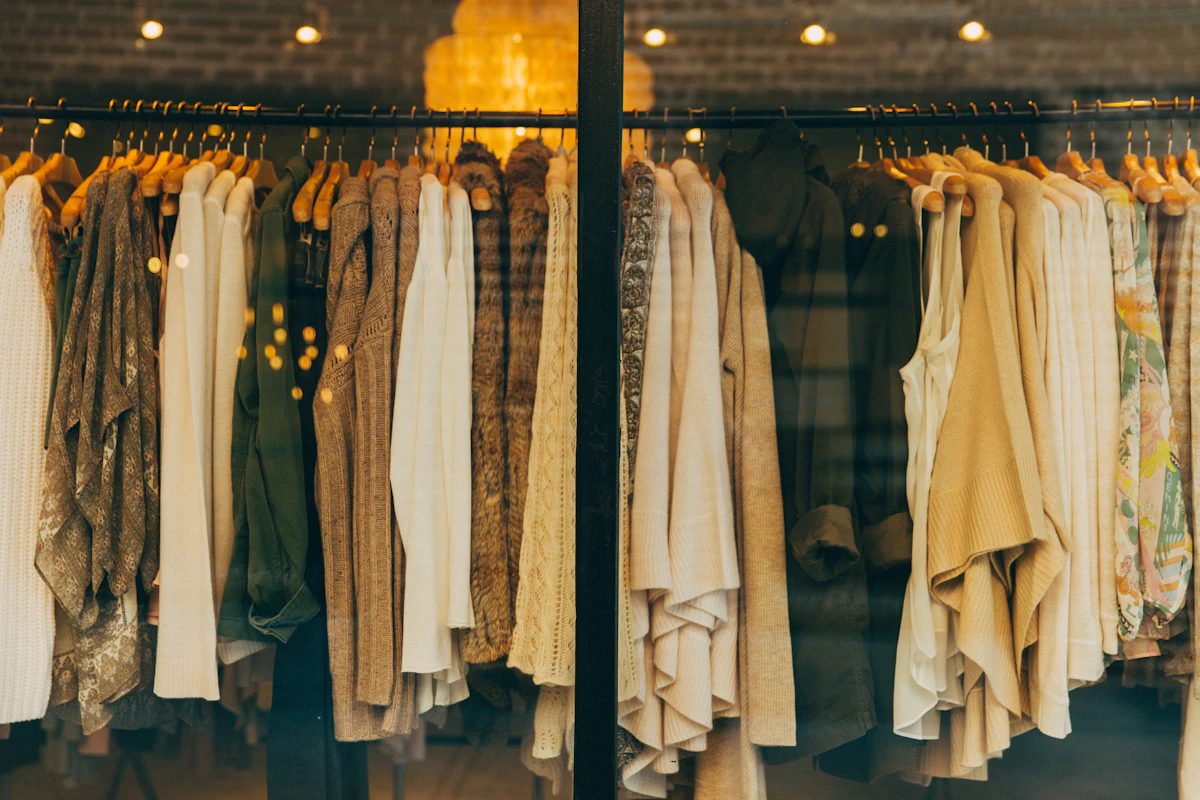
Volume-friendly garments where fabric, size, and color consistency matter.
Includes T-shirts, hoodies, pants, casual tops, and basics. Key checks include fabric weight, shrinkage, color matching, measurements, stitching, labels, and packaging.

Performance garments where stretch, recovery, and fit need stronger control.
Includes leggings, gym tops, tracksuits, training wear, and athleisure basics. Key checks include stretch, recovery, opacity, seam strength, fit, and wash behavior.

Child-use apparel where safety, trims, and size grading need attention.
Includes kids basics, baby daily-use clothing, sleepwear, sets, and seasonal clothing. Key checks include fabric safety, trims, drawstrings, labels, colorfastness, and size grading.

Fashion garments where drape, hand feel, and sample revisions matter.
Includes dresses, blouses, skirts, sets, and simple seasonal apparel. Key checks include fabric hand feel, drape, color, trims, workmanship, fit sample feedback, and bulk consistency.

Consistent garment programs where durability and repeat supply matter.
Includes corporate uniforms, hospitality uniforms, workwear, aprons, and branded clothing. Key checks include fabric durability, logo application, color consistency, size range, and carton labeling.

Seasonal knit products where yarn, gauge, and measurement stability matter.
Includes sweaters, cardigans, knitted tops, ribbed apparel, and seasonal knitwear. Key checks include yarn content, gauge, shrinkage, hand feel, pilling risk, measurements, and finishing.
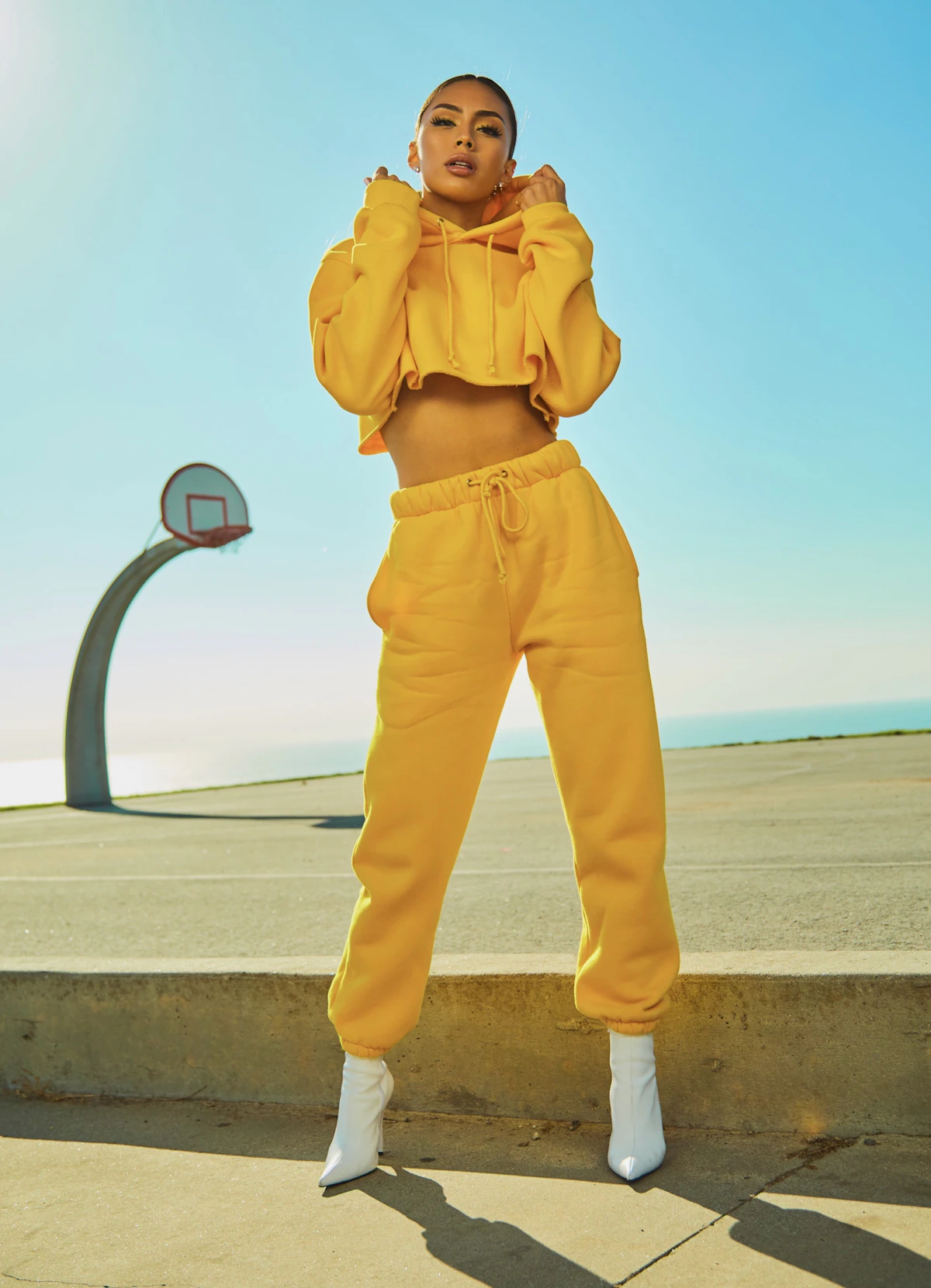
Jackets and outerwear where shell, lining, trims, and sizing must align.
Includes jackets, coats, vests, lightweight outerwear, padded jackets, and seasonal items. Key checks include shell fabric, lining, zippers, padding, seam quality, weather performance, and fit.
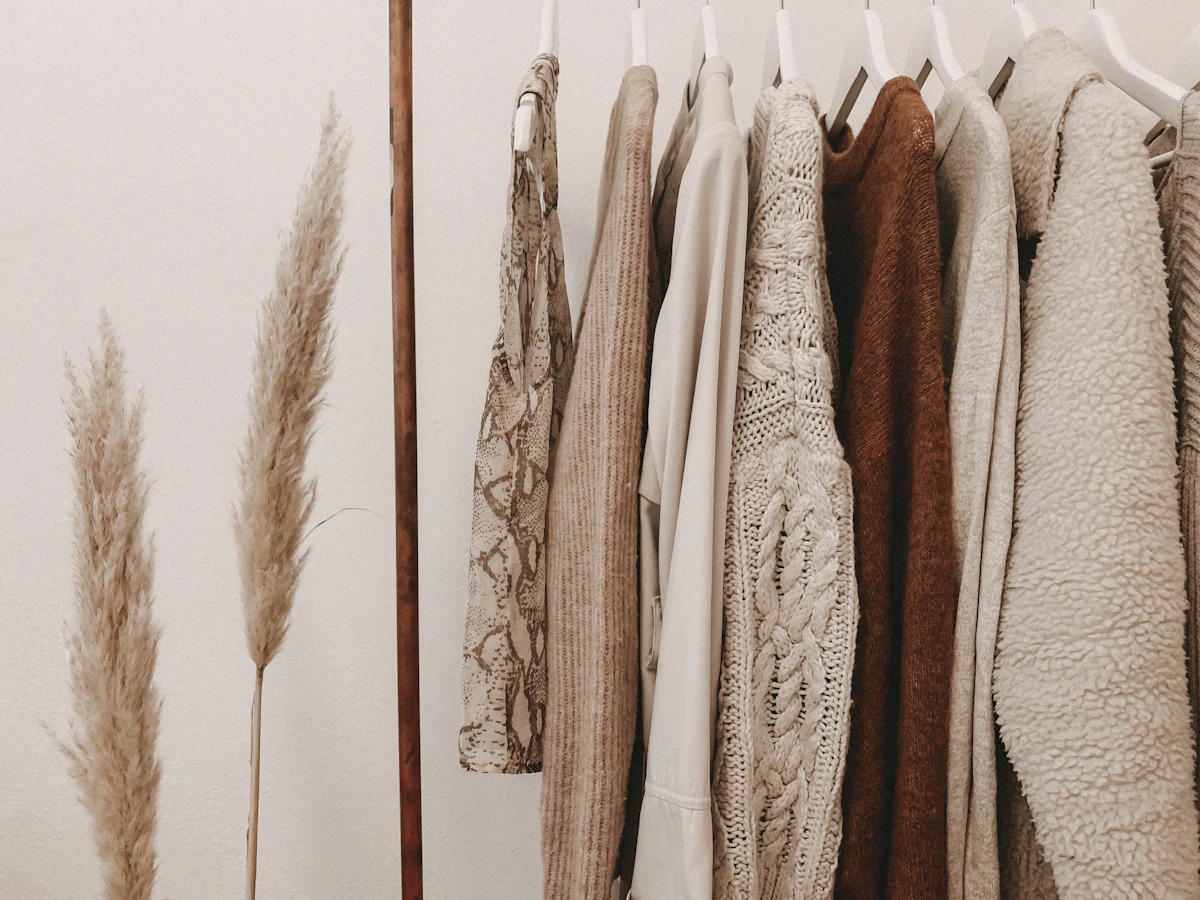
Soft daily-use garments where comfort, stretch, and stitching need close review.
Includes selected underwear, loungewear, pajama sets, sleepwear basics, and soft daily-use apparel. Key checks include comfort, stretch, recovery, stitching, size grading, labeling, and packaging.
Branded apparel programs where development and bulk production must stay aligned.
Includes private label garments, logo application, labels, hang tags, packaging, and fabric-trims coordination. Key checks include artwork, sample approval, label versions, packaging, and bulk QC.
Which apparel projects are worth evaluating from China?
China can be strong for many apparel categories, but the right answer depends on fabric availability, MOQ, style complexity, sample requirements, size range, private label needs, compliance expectations, and delivery timing.
Repeatable garments with clear specs and fabric direction.
Casual wear, sportswear basics, uniforms, knitwear, outerwear, and private label apparel can work well when specifications, quantity, and packaging needs are clear.
Fit-sensitive, performance, child-use, or heavily customized garments.
Activewear, kidswear, underwear, outerwear, and complex private label projects need stronger sample rounds, fabric tests, sizing, labels, and trims control.
Very small runs or vague design ideas need better planning.
Projects without reference samples, size charts, fabric direction, artwork, or target quantities should be clarified before factory matching and quotation.
Most apparel sourcing risks appear in fabric, fit, workmanship, and bulk consistency.
Many apparel problems happen before final shipment. Clarifying fabric, trims, size specs, sample requirements, labels, packaging, and production details early makes revisions easier to control.
Fabric mismatch
Hand feel, GSM, composition, stretch, color lot, shrinkage, and performance can differ from expectation.
Fit and size problems
Unclear size charts, tolerance gaps, grading issues, and pattern differences can cause complaints after delivery.
Sample and bulk inconsistency
Approved samples may not match bulk production in workmanship, fabric lot, trims, color, print, or packaging.
Trims and branding errors
Buttons, zippers, drawcords, hang tags, neck labels, wash labels, size stickers, and logos need version control.
Workmanship defects
Stitching, seam strength, loose threads, measurement, color shading, stains, pressing, and packing must be checked before shipment.
Multi-style production pressure
Many colors, sizes, styles, labels, cartons, and delivery batches need stronger production and packing-list control.

Practical apparel sourcing support from factory matching to shipment readiness.
Supplier matching
Match apparel factories to garment type, MOQ, workmanship level, fabric direction, and buyer expectations.
Fabric & trims coordination
Coordinate fabric options, trims, labels, logo methods, sample materials, and supplier communication.
Sample comparison & QC
Compare samples, measurements, workmanship, labels, packaging, and bulk readiness before shipment approval.
Packaging & shipping coordination
Help organize polybags, carton marks, size stickers, packing lists, consolidation, and logistics handoff.
Clearer apparel details lead to better factory matching, samples, and quotations.
You do not need a perfect tech pack to start. But for apparel, a few details can prevent wrong factory matching, weak quotes, and avoidable sample revisions.
Style photos, sketches, or reference samples
Share product images, reference garments, sketches, competitor links, or mood-board direction that shows the expected garment style.
Fabric, trims, and workmanship requirements
List fabric type, weight, composition, stretch, color, zipper, button, drawcord, print, embroidery, sewing, and finishing details.
Size chart and measurement specs
Share size range, measurements, tolerance needs, grading logic, fit sample notes, and target customer profile if available.
Branding, labels, and packaging needs
Clarify neck labels, wash labels, hang tags, stickers, polybags, barcodes, carton marks, folding, and retail packaging requirements.
Quantity, colorways, and size ratio
Provide estimated order quantity, number of styles, colors, sizes, size ratio, target MOQ, and whether repeat orders are expected.
Timeline and shipping destination
Share sample deadline, production deadline, delivery window, destination country, preferred shipping method, and any launch date pressure.
Have an apparel project, tech pack, reference sample, fabric request, or private label garment idea?
Share style references, fabric direction, size specs, quantity, branding needs, packaging requirements, timeline, and shipping destination. We can help judge factory fit and the right sourcing direction.