
Source fabrics from China with clearer specs and bulk-roll control.
Yansourcing helps overseas buyers source polyester, cotton blends, knits, wovens, upholstery fabrics, outdoor fabrics, lining, stretch fabrics, recycled fabrics, printed fabrics, dyed fabrics, and finished textiles with clearer swatch comparison, specification confirmation, color lot review, and shipment preparation.
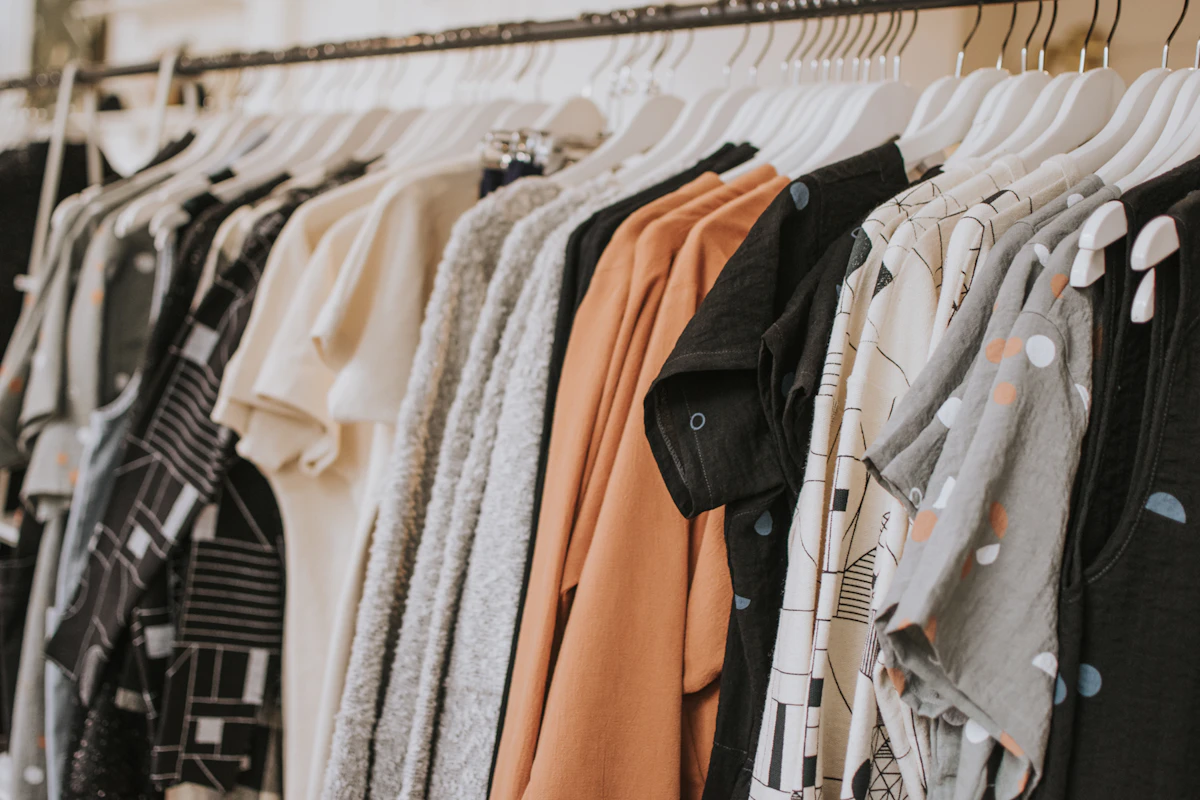
Fabric sourcing support
Built for fabric projects where composition, GSM, width, color, finish, and roll consistency must be checked before bulk shipment.
Match the right textile supplier
Match suppliers to fabric type, end use, MOQ, finishing needs, and repeat-supply goals.
Confirm specs before bulk orders
Review composition, GSM, width, color, handfeel, shrinkage, coating, print, and testing direction.
Check bulk rolls and packing
Check roll length, roll labels, wrapping, packing lists, consolidation needs, and shipment readiness.
Useful when fabric choice affects fit, handfeel, shrinkage, stretch, color matching, and bulk garment quality.
Useful for upholstery, curtain, bedding, texture, width, abrasion, color lot, finishing, and repeat-order control.
Useful when coating, water resistance, abrasion, durability, roll packing, and testing requirements need clearer control.
Fabric sourcing needs specification, swatch, color, finish, and bulk-roll control.
A similar-looking cloth is not enough. Fabric sourcing needs clear composition, construction, GSM, width, color target, handfeel, finish, testing direction, roll packing, end use, quantity, and shipment planning.
End use changes the fabric choice
Apparel, bags, upholstery, outdoor goods, lining, and home textile may need different specs and tests.
Photos cannot confirm key specs
Composition, GSM, width, stretch, handfeel, shrinkage, colorfastness, coating, and finish need confirmation.
Small swatches may not match bulk fabric
Lab dips, handloom samples, counter swatches, and bulk rolls can differ in shade, touch, and finish.
Roll packing affects receiving and claims
Roll length, labels, wrapping, tubes, inspection marks, and packing lists should be planned before shipment.
Main fabric categories Yansourcing helps buyers evaluate and source.
Use this category map to see where your fabric need fits, what details should be checked, and which textiles need stronger spec, swatch, or bulk-roll control.

Versatile synthetic fabrics where cost, color, finish, and repeat supply matter.
Includes woven, knitted, printed, dyed, lining, performance, and daily-use polyester textiles. Key checks include GSM, construction, color, handfeel, shrinkage, finish, roll length, and repeat supply stability.

Natural and blended fabrics where handfeel, shrinkage, and construction need control.
Includes cotton, CVC, TC, cotton-spandex, brushed cotton, poplin, canvas, and twill. Key checks include composition, GSM, breathability, shrinkage, colorfastness, handfeel, and end-use fit.

Stretch-friendly constructions where recovery, shrinkage, and handfeel need checking.
Includes jersey, rib, interlock, fleece, French terry, mesh, ponte, and other knit constructions. Key checks include stretch, recovery, GSM, handfeel, shrinkage, pilling risk, and bulk shade stability.

Structured textiles where width, strength, finish, and end use guide supplier choice.
Includes plain weave, twill, satin, canvas, poplin, oxford, dobby, jacquard, and other woven types. Key checks include construction, width, strength, handfeel, shrinkage, color, and cutting suitability.

Furniture textiles where durability, texture, width, and batch consistency matter.
Includes sofa fabrics, chair fabrics, velvet, linen-look fabric, jacquard, and project furniture textiles. Key checks include abrasion, colorfastness, texture, width, backing, batch consistency, and flame-retardant direction.

Functional textiles where coating, water resistance, and durability need confirmation.
Includes PU-coated, PVC-coated, waterproof, Oxford, ripstop, tent, awning, and outdoor-use fabrics. Key checks include coating type, waterproof level, abrasion, tear strength, UV direction, finish stability, and packing protection.

Inner-use fabrics where touch, color, width, and stable supply matter.
Includes polyester lining, satin lining, taffeta, mesh lining, pocketing, and inner-use textile options. Key checks include smooth touch, color matching, width, weight, opacity, seam behavior, and repeat supply stability.

Elastic fabrics where stretch, recovery, opacity, and performance need close review.
Includes spandex blends, stretch knits, activewear fabrics, compression-use materials, and comfort-stretch textiles. Key checks include stretch percentage, recovery, opacity, GSM, handfeel, shrinkage, and colorfastness.

Eco-focused textiles where claims, certification direction, and specs need early review.
Includes recycled polyester, organic cotton options, and eco-focused blends. Key checks include supplier claims, certificate direction, composition, handfeel, color, MOQ, traceability expectations, and buyer documentation needs.

Finished textiles where color, print, effect, and bulk consistency need control.
Includes solid dyed, digital printed, screen printed, brushed, peach skin, coated, embossed, laminated, and other finished fabrics. Key checks include lab dips, print clarity, repeat, handfeel, finish effect, colorfastness, and bulk-roll consistency.
Fabric sourcing should start from the end use, not only from the fabric name.
A fabric for leggings, sofa upholstery, lining, tote bags, outdoor covers, curtains, or hotel projects can require different specifications, testing expectations, roll packing, and supplier profiles.
Apparel fabric programs
For garments, activewear, uniforms, jackets, linings, and private label apparel where GSM, stretch, shrinkage, colorfastness, pilling, and bulk shade consistency matter.
Bag and accessory textiles
For tote bags, backpacks, travel goods, pouches, and cases where strength, coating, abrasion, backing, width, tear resistance, and cutting suitability matter.
Home and furniture textiles
For curtains, bedding, upholstery, cushions, and soft furnishings where width, texture, color lot, abrasion, shrinkage, flame-retardant direction, and repeat supply stability matter.
Outdoor and project fabrics
For outdoor covers, garden goods, tents, awnings, hospitality textiles, and selected project materials where coating, waterproof level, UV direction, durability, packing, and shipment protection matter.
Which fabric projects are worth evaluating from China?
China can be strong for many fabric categories, but the right answer depends on specification clarity, MOQ, dyeing or finishing requirements, testing needs, roll length, batch control, freight impact, and repeat supply potential.
Repeatable fabrics with clear specs and bulk demand.
Polyester, cotton blends, knits, wovens, linings, upholstery fabrics, and printed fabrics can work well when specs, quantities, color direction, and roll requirements are clear.
Functional, coated, printed, recycled, or test-sensitive textiles.
Outdoor fabrics, waterproof textiles, recycled fabrics, performance materials, upholstery, and FR-related directions need stronger spec, finish, claim, and test confirmation.
Photo-based or vague requests need better planning.
A phrase like “soft polyester fabric” is not enough for accurate sourcing. Reference swatches, use case, GSM, width, finish direction, and target quantity are needed.
Most fabric sourcing risks appear in specs, color, handfeel, finishing, testing, and bulk-roll consistency.
Many textile sourcing problems happen before final shipment. Clarifying fabric specifications, reference swatches, test needs, dyeing or finishing direction, and roll packing requirements early makes mismatch easier to control.
Composition, GSM, and width mismatch
Quoted fabric may look similar but differ in fiber content, weight, width, construction, or performance.
Color and handfeel variation
Lab dips, swatches, and bulk fabric can differ in shade, touch, softness, drape, and finish effect.
Shrinkage and colorfastness issues
Washing, rubbing, perspiration, light exposure, and heat can reveal problems not visible in photos.
Finishing and coating instability
Waterproofing, coating, brushing, printing, laminating, and FR direction must match the intended use.
Batch and bulk-roll inconsistency
Different dye lots, batches, roll lengths, defects, and shade bands can affect cutting and final goods.
Roll packing and shipment problems
Loose packing, missing roll labels, weak wrapping, unclear packing lists, and mixed rolls can create claims.

Practical fabric sourcing support from supplier matching to shipment readiness.
Supplier matching
Match fabric suppliers to material type, end use, MOQ, finishing needs, test expectations, and repeat-supply goals.
Swatch comparison & spec confirmation
Compare swatches, color, handfeel, GSM, width, construction, finish, and reference samples before deeper commitments.
Bulk inspection & roll packing review
Support checks for bulk rolls, defects, labels, roll length, packaging, packing lists, and shipment readiness.
Shipping coordination
Help organize roll consolidation, carton or bale handling, warehouse coordination, and logistics handoff.
Clearer fabric specifications lead to better supplier matching, swatches, and quotations.
You do not need a perfect textile datasheet to start. But for fabrics, a few core details can prevent wrong supplier matching, weak quotes, and avoidable swatch revisions.
Reference swatch, photos, or fabric name
Share a physical swatch, fabric photos, product reference, current supplier spec, or clear fabric name if available.
Composition, construction, GSM, and width
List fiber content, knit or woven construction, yarn or fabric type, target GSM, usable width, and tolerance needs.
Color, print, handfeel, and finish
Clarify Pantone, lab dip direction, print artwork, handfeel target, brushing, coating, waterproofing, FR direction, or other finishing needs.
End use and testing requirements
Share whether the fabric is for apparel, bags, upholstery, home textile, outdoor use, lining, or project use, plus test expectations.
Quantity, roll length, and repeat supply needs
Provide estimated meters or yards, color quantity, roll length preference, MOQ target, and whether this is trial, bulk, or repeat supply.
Timeline and shipping destination
Share swatch deadline, lab dip deadline, bulk deadline, destination country, shipping method, and roll consolidation needs.
Have a fabric swatch, specification, color target, finish requirement, or textile development project?
Share fabric composition, GSM, width, end use, color, handfeel, finish, quantity, testing needs, timeline, and shipping destination. We can help judge supplier fit and the right fabric sourcing direction.