
Know what is leaving China before you release the goods.
Yansourcing checks product quality, quantity, workmanship, packaging, labels, and shipment readiness before goods move forward, giving you clear inspection evidence before final payment or cargo release.
Inspection is not just a checklist. It is a release decision tool.
Use the findings to ship, hold, request correction, or reinspect before the cargo moves beyond practical control.

Clear findings before final release.
Defects, mismatches, packing problems, carton marks, labels, and shipment readiness are documented before goods leave the supplier.
Product Quality
Workmanship, defects, finish, function, and consistency.
Order Accuracy
Quantity, model, size, color, batch, and assortment match.
Packing & Labels
Inner packing, cartons, marks, labels, and barcode needs.
Release Decision
Evidence for shipment approval, correction, hold, or reinspection.
Quality problems are easiest to control before the goods leave the supplier.
Supplier updates, production photos, and verbal confirmation are not enough when final payment or shipment release is at stake. Inspection gives you independent findings while correction is still possible.
Approved samples can drift
Finished goods may differ in material, size, finish, color, function, logo, workmanship, or packing.
Photos can hide the real risk
Supplier photos rarely show enough quantity, random samples, packaging details, repeated defects, or carton condition.
Late discovery costs more
Problems found after shipment usually lead to claims, repairs, discounts, customer complaints, or difficult returns.
Payment release needs evidence
Inspection results help you avoid releasing balance payment based only on supplier confidence.
Choose inspection timing based on what you still have time to fix.
A mid-production check helps catch drift before the full batch is finished. A pre-shipment inspection helps decide whether finished goods should be released. A loading or handoff check helps confirm the final movement.
During production
Use this when production is still running and problems can still be corrected before the full order is completed.
Best for early quality drift, material concerns, workmanship issues, production delays, or repeated defects.
Before shipment
Use this when goods are finished and you need a clear basis for balance payment, release approval, or dispatch.
Best for final quality, quantity, assortment, packaging, labels, carton marks, and buyer approval.
Before loading or handoff
Use this when goods are moving from factory to warehouse, forwarder, consolidation point, or container loading.
Best for carton condition, shipping marks, visible quantity, loading readiness, and final movement confirmation.
The later you inspect, the fewer options you have.
Final inspection is useful, but it cannot replace clear samples, stable specifications, supplier control, or production follow-up. Use inspection at the point where the result can still change the outcome.
Need correction?
Inspect before all goods are packed and ready to leave.
Need release confidence?
Inspect before balance payment or shipment approval.
Need movement confirmation?
Check before warehouse handoff, forwarder pickup, or loading.
We focus on the issues that affect approval, correction, or shipment release.
The inspection is based on your approved sample, specifications, order details, packaging requirements, and known concerns. The goal is to document what matters before the goods move forward.
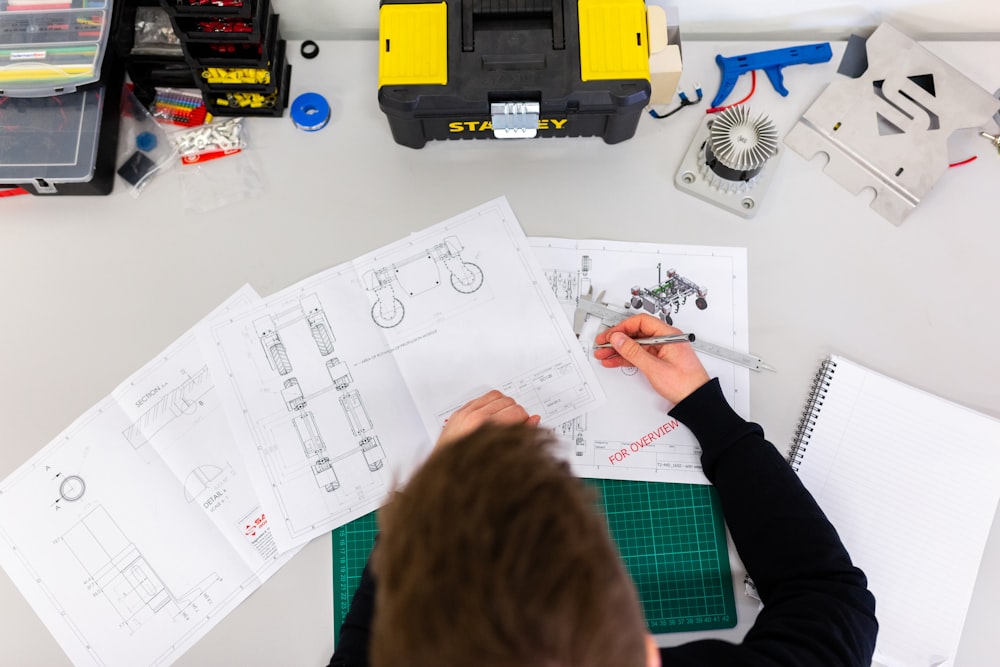
Good inspection evidence should answer a practical question.
Can the goods ship, should the supplier correct them, or should the order be checked again before release?
Product condition
Appearance, workmanship, visible damage, surface finish, assembly, function, and obvious quality problems.
Quality check
Reference match
Size, color, material, finish, logo, structure, function, accessories, and key details against agreed references.
Spec match
Quantity and assortment
Order quantity, models, colors, sizes, sets, accessories, batch accuracy, and assortment details where applicable.
Quantity check
Packaging and labels
Inner packing, outer cartons, carton marks, labels, barcode needs, shipping marks, and visible packing concerns.
Packing check
Defect documentation
Visible defects, repeated problems, mismatch points, damaged units, incomplete items, or supplier correction needs.
Defect review
Shipment readiness
Packed goods, carton condition, release status, supplier readiness, and whether goods can move to the next logistics step.
Readiness check
Clear findings you can use before making the next decision.
You receive documented results that show what was checked, what was found, where the risks are, and what should be considered before approval or release.
Inspection summary
Checked areas, key findings, visible concerns, mismatch points, and important notes in a usable format.
Photo evidence
Photos of products, packaging, labels, cartons, defects, quantity points, and agreed inspection details.
Problem documentation
Defect notes, repeated issues, packing concerns, label problems, shortage concerns, or supplier correction needs.
Decision support
Practical information to help you ship, hold, request correction, or reinspect after supplier action.
Ship
Goods can move forward.
Hold
Release should pause.
Correct
Supplier action is needed.
Reinspect
Check again after changes.
A focused process from inspection scope to release decision.
We align the inspection with your product, supplier, production status, shipment timing, and key risk points so the check supports a real business decision.
Confirm the inspection scope
Share product details, specifications, approved samples, order quantity, packing needs, inspection focus, and known concerns.
Arrange the right timing
We help align the inspection with production status, finished goods timing, supplier availability, and dispatch plans.
Check goods and document findings
Goods, quantity, workmanship, packaging, labels, carton condition, and agreed checkpoints are reviewed and documented.
Decide the next action
Use the results to release goods, ask for correction, hold shipment, or arrange another check after supplier action.
The clearer the reference standard, the more useful the inspection becomes.
Inspection works best when the product standard is specific. Send the details that define what should be accepted, corrected, or rejected.
Approved sample or specifications
Size, material, color, finish, function, logo, structure, workmanship, or other reference standards.
Order details and supplier location
Quantity, models, colors, sizes, supplier contact, factory or warehouse address, and production status.
Packaging, labels, and shipment timing
Carton marks, label needs, packing requirements, expected finish date, and planned shipment date.
Main inspection concerns
Defects, quantity, color, workmanship, accessories, packaging, labels, carton condition, or release readiness.
If the order is not ready for inspection, start with the step that removes the bigger uncertainty.
The supplier has not been verified
Start with Supplier Audit when the bigger question is whether the supplier is real, capable, and reliable.
Samples or specifications are not approved
Start with Sampling & Customization when the factory still lacks a clear production reference.
Released goods need receiving or grouping
Start with Warehousing & Consolidation when goods need receiving, sorting, storage, or consolidation.
Goods are approved and shipping is the main task
Start with Shipping & Logistics when freight, documents, ETD / ETA, or shipment tracking is the main need.
Tell us what needs to be inspected and when the goods are expected to move.
Share your product type, order quantity, supplier or factory location, production status, expected finish date, planned shipment date, approved sample or specifications, packaging requirements, and key inspection concerns.
Helpful details to send